I went to the biggest Kubernetes conference - here is how it went
Published on June 22, 2026
I went to KubeCon this year, and in this post I’ll walk you through my experience: things I did, things I missed, and the things I liked the most.
This year’s KubeCon was held in Amsterdam, the Netherlands. If you’re living in Morocco, you need a visa to attend. I already had a Schengen visa, so I won’t cover my experience with that. But here’s what you’d mostly need to do: once you decide you want to go to KubeCon, make sure to get your tickets early (this way you get the early bird discount) and you’ll also get your visa invitation letter so you can start the process. The visa process takes time, so make sure to start as soon as you get your invitation letter.
Once you get your logistics figured out - tickets, visa, flight, and hotel - you need to move on to planning for the event.
KubeCon is a huge event - one of the biggest cloud events ever in terms of attendance. So you need to actually plan and choose the subjects you’re most interested in to make the most of it. In numbers, this edition had over 13,500 attendees and 300+ talks across 11+ tracks, including AI+ML, App Development, Platform Engineering, Security, and more. So my point is, it’s quite important to know exactly what you’re going for (at least in terms of talks and tracks - other things we’ll cover later).
Once you’ve picked the tracks you’re interested in, you can go and look at the talks in each of them and start prioritizing which ones you want to attend. Make sure to also go through all the others - sometimes you’re not really interested in the track, but the talk itself is very interesting. So plan ahead, but stay open-minded about other tracks and topics. You might end up liking other things.
Apart from the high number of tracks and talks, the venue is usually huge. So one thing I’d also do is make sure the talks I picked aren’t too far from each other and aren’t going to make me run between showrooms.
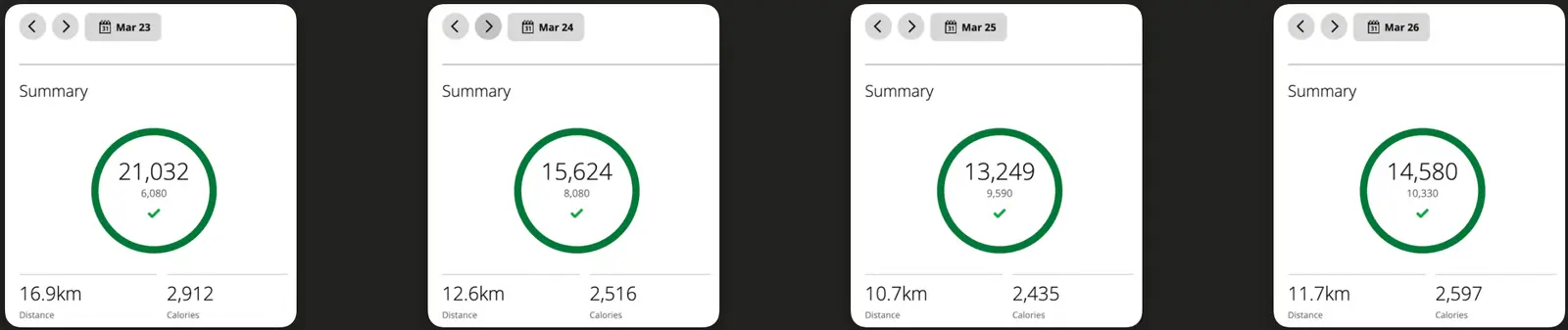
Also, you might want to pack your best walking or jogging shoes. Trust me, think of it as packing for a marathon.
Here’s how it went for me during the event days:
Another thing I wouldn’t want to miss is the co-located events and the conference parties (of course, if you’re into fun). As a colleague once told me: Conferences are primarily about the afterparties and the people; learning new things is often a beneficial side effect.
You can check this website for ongoing parties: conferenceparties.com.
Day 1
The event was held from March 23rd to 26th. I arrived in Amsterdam on the evening of Sunday the 22nd, super drained from the airport procedures (and also because my flight was from Rabat and I live in Casablanca), so I went to bed right away! My hotel was in Zaandam, a magical area!
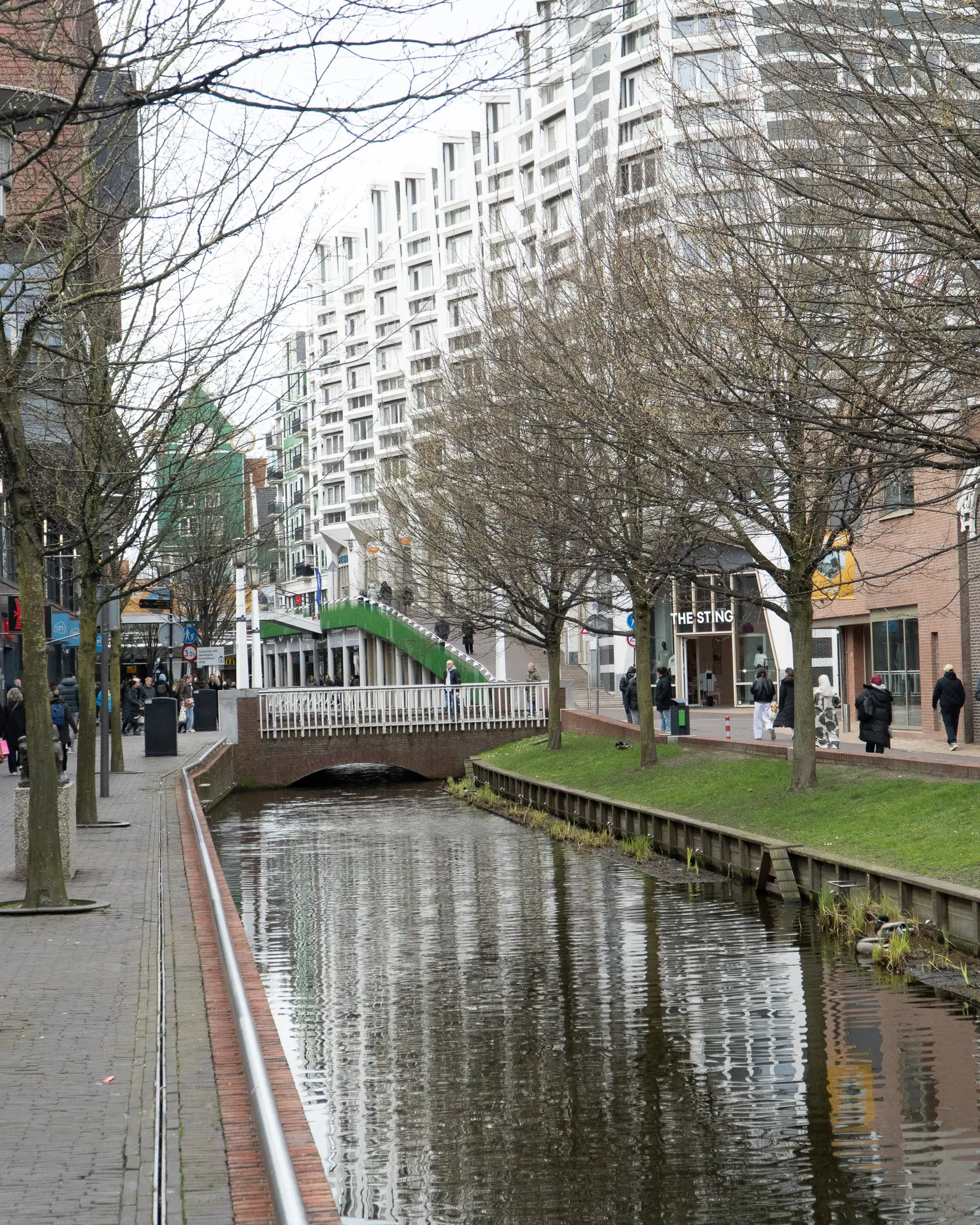
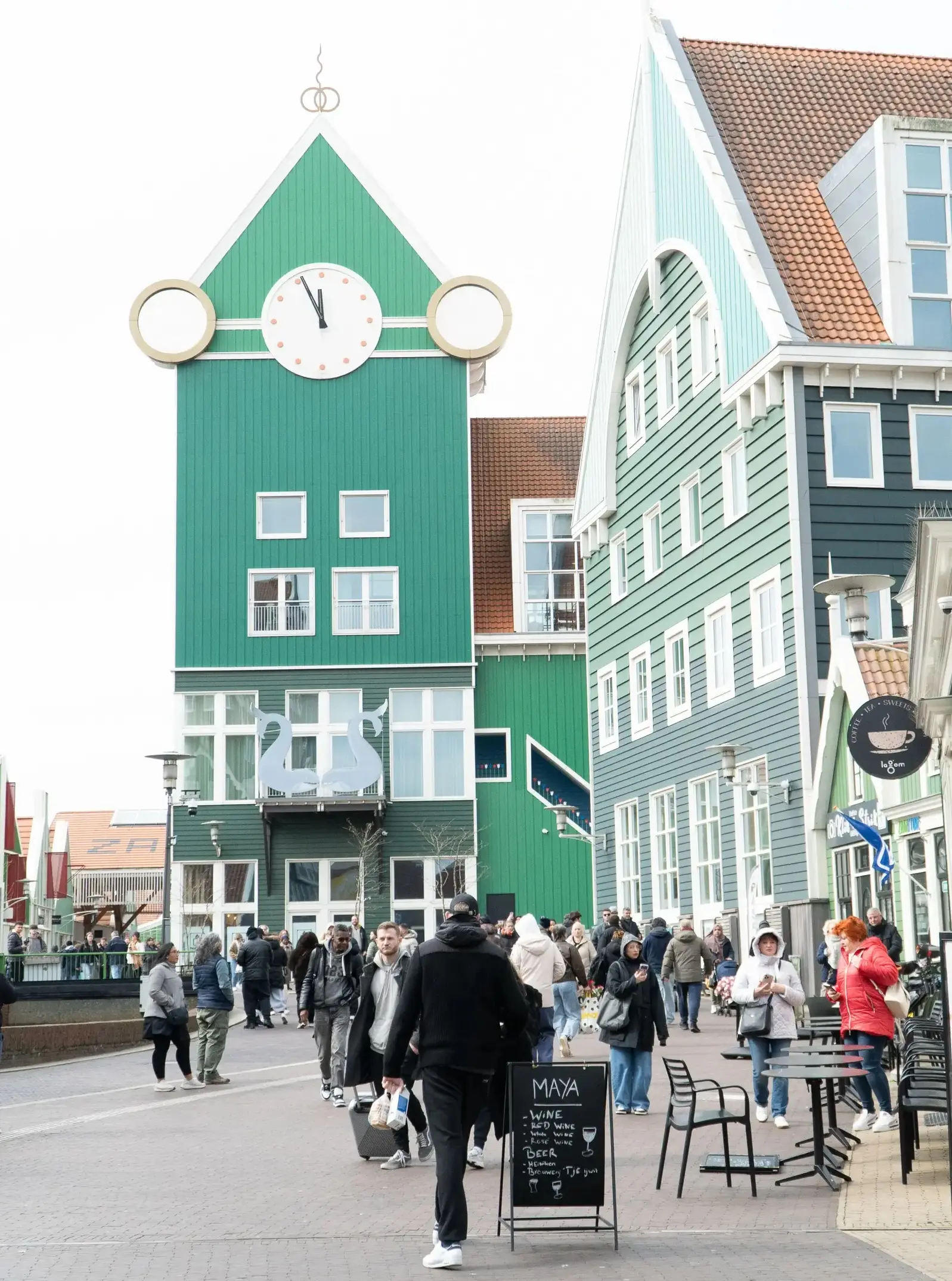
I woke up the next morning, got my coffee at a nearby coffee shop, and headed to the event venue. Day one is mostly for badge pickup, Project Lightning Talks, and co-located events. I got my badge first around 10 AM and headed to KubeAuto Day.
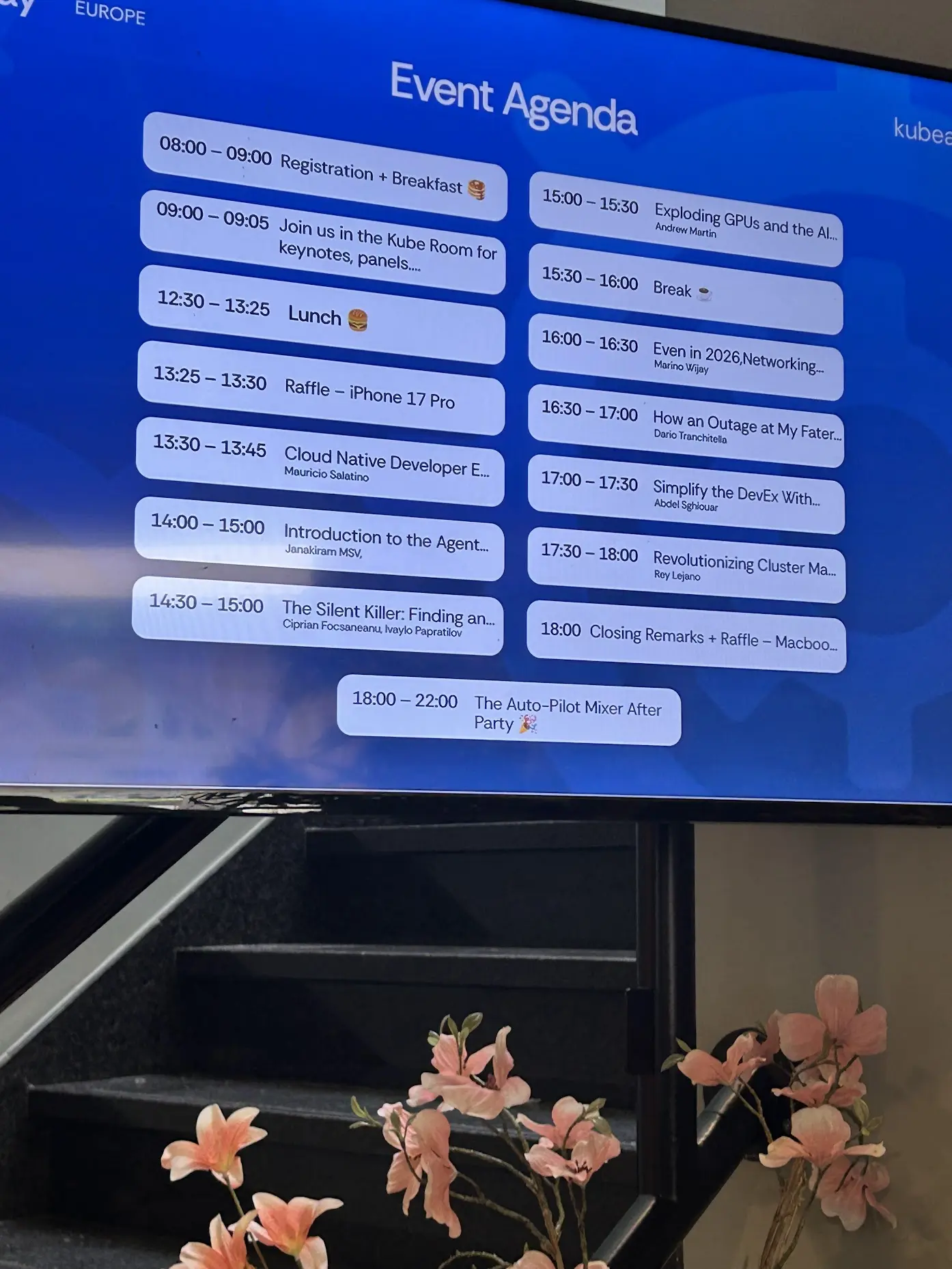
KubeAuto Day in this edition was all about Kubernetes management - lots of tools like CastAI and others. It was nice to see how AI is already picking up some of the operational work and taking that out of the hands of platform engineers. The goal, from my understanding, is to be able to optimize costs in an automated way, auto-recover from failures, and have a better overall uptime score.
And there was an iPhone 17 Pro to win too! Well, I’m not that lucky.
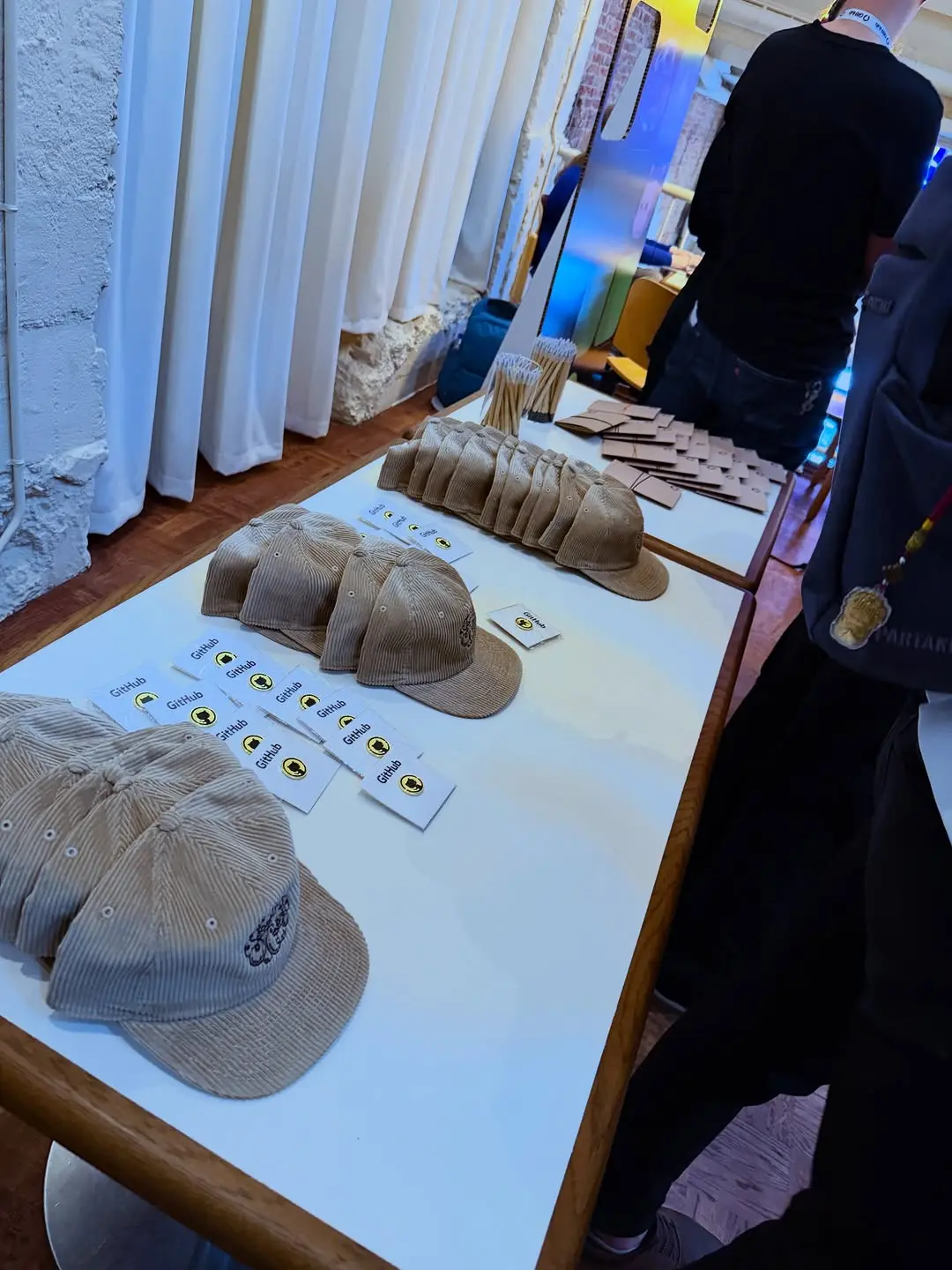
Right after, I headed to the GitHub Social Club meeting, which was held at a different venue. There, I had a chance to sit with a few GitHub engineers and build a keyboard key. I also got some swag :D, including this cool hat.
In parallel, a lot was going on at the KubeCon venue as well, including all the Project Lightning Talks, none of which I attended - but yeah, you can’t see everything at KubeCon.
In the evening, I attended the House of Kube, organized by Platform Engineering, Tailscale, and Chainguard. And there wouldn’t have been a better way to spend a Monday evening. It was a house music party full of all kinds of IT engineers, open source maintainers, and Kubestronauts. It felt super weird to be at a party where you could talk about Kubernetes and that wasn’t considered the nerdiest thing there lol. It was a blast!
I also got to have a conversation with the ZenML founder and CEO, which was super cool - seeing people who are passionate even at the C-level.
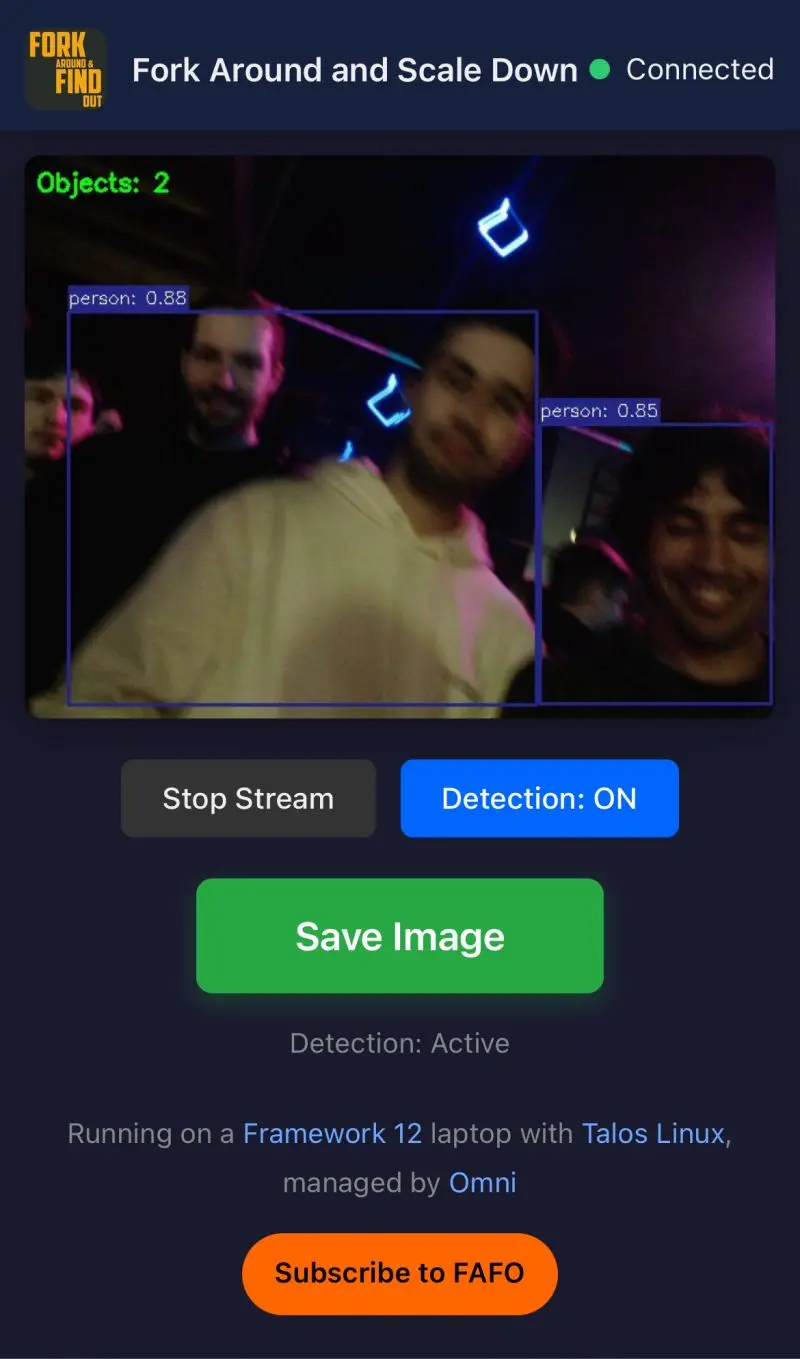
And that’s where I got a selfie taken using a script running on a backpack K8s cluster. Definitely not a waste of resources.
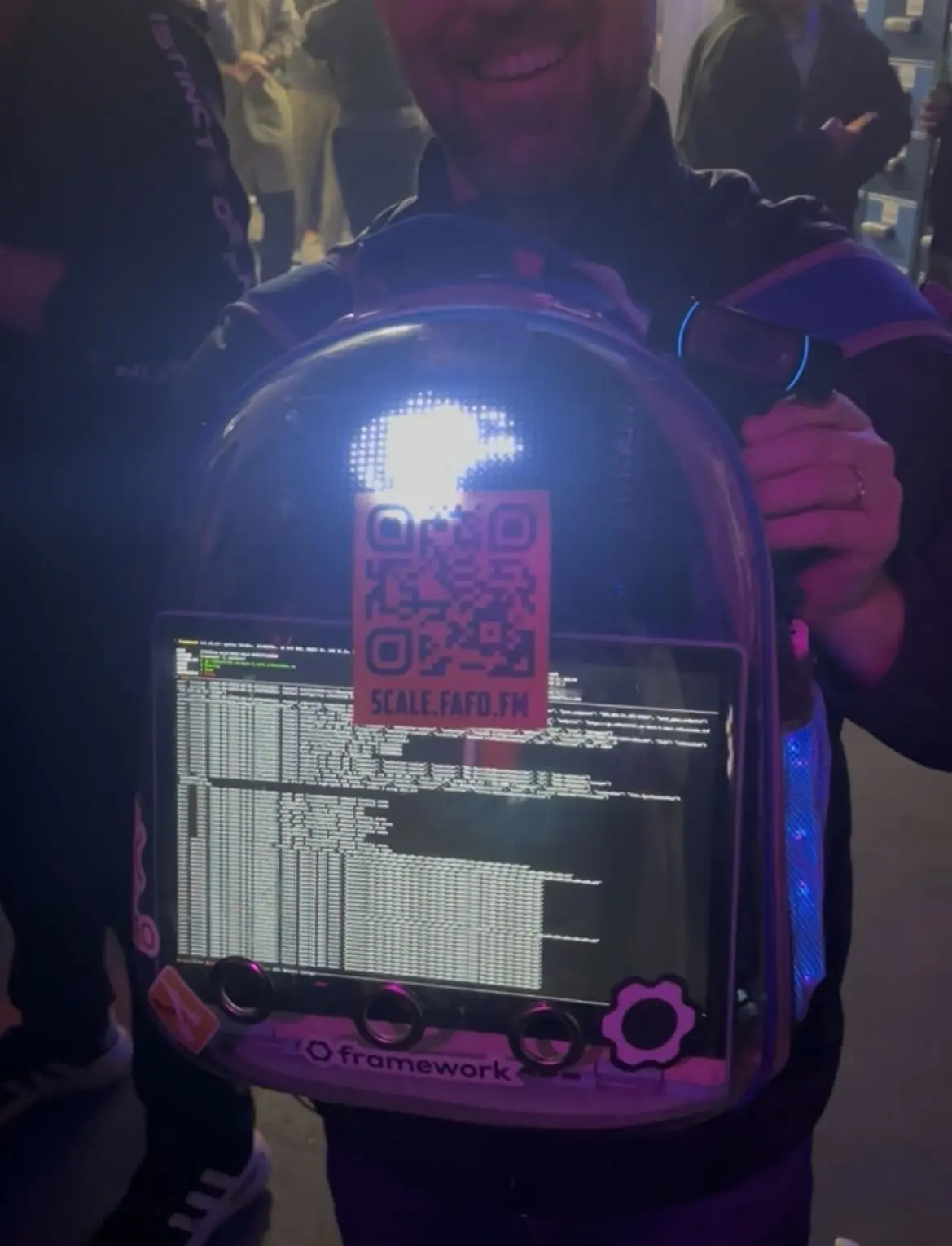
OK, I do recognize the iPad/Laptop in there, which is probably just remote access to the actual cluster. But that wouldn’t be as cool.
Day 2
This is the official start of KubeCon. Just like every other event, this kicks off with a few keynotes.
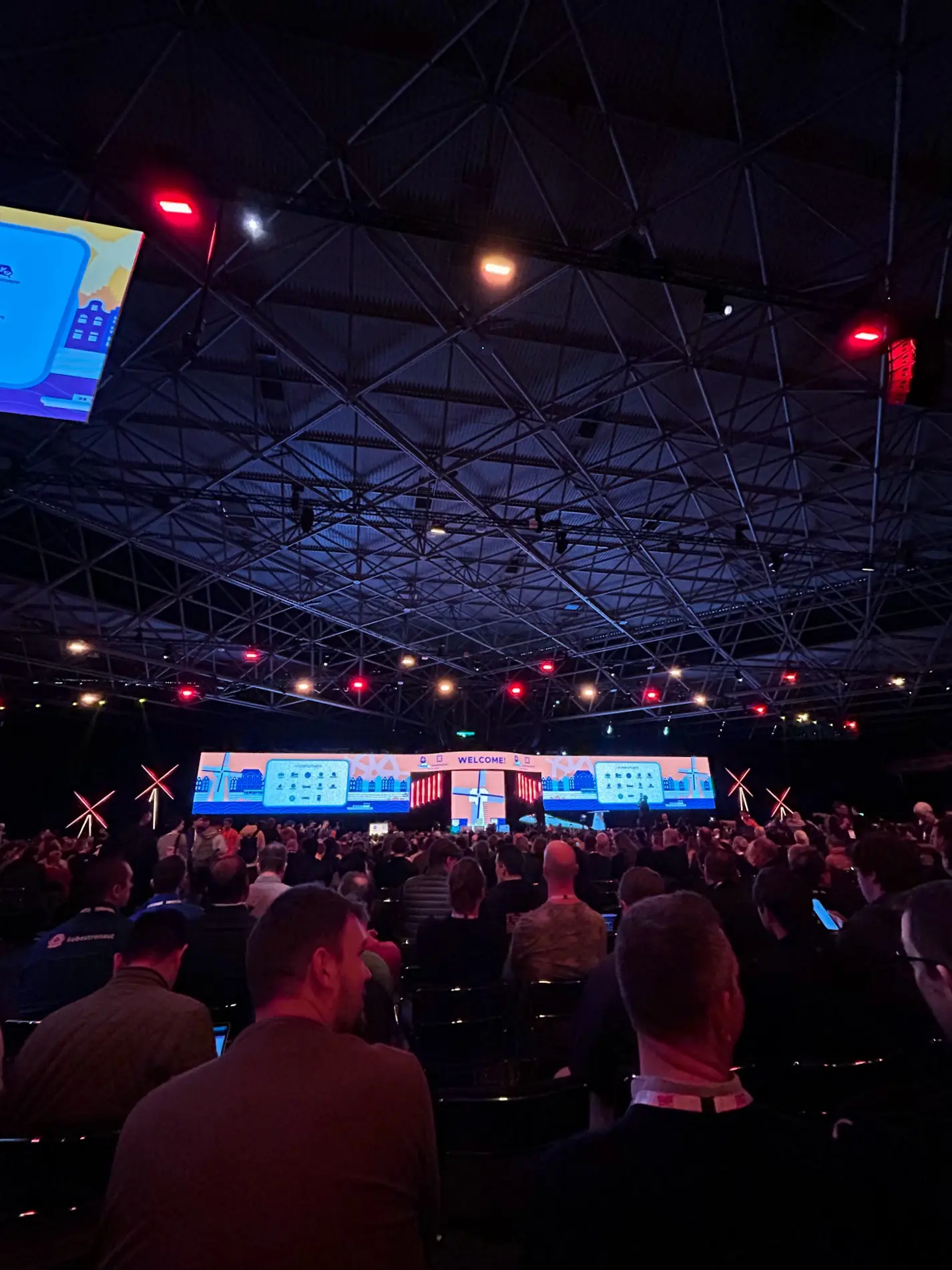
Just a few minutes in and you could tell that “AI” had taken the spotlight from K8s at its own conference.
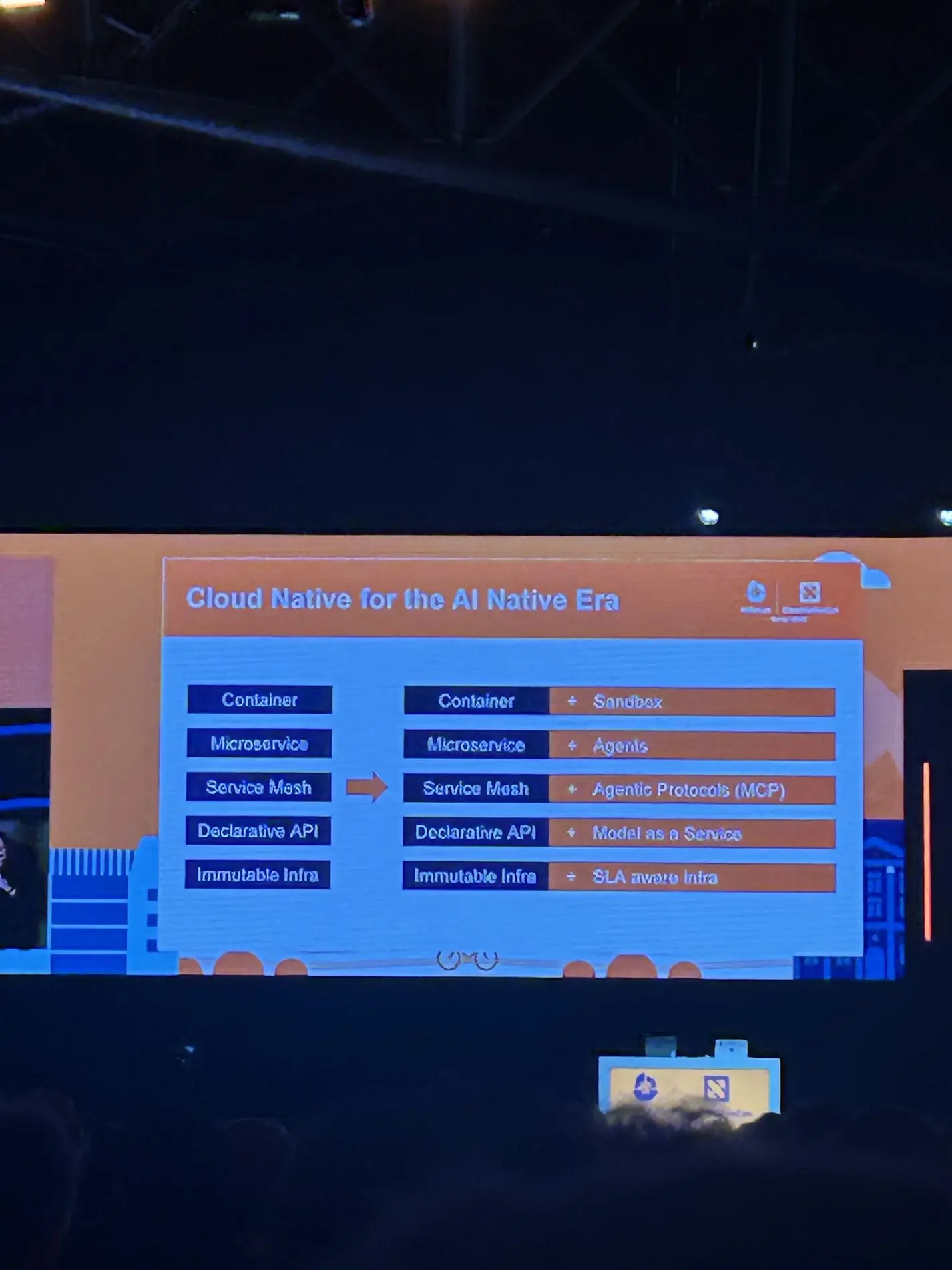
So across most of the keynotes, the dominant topic was AI: how to deploy AI inference better, manage GPUs more effectively, and run AI workloads safely using AI gateways. At the same time, supply chain security was still a major theme, maybe even more than before, especially with the rise of AI-generated code.
We will be seeing a lot of specialized models and harnesses that will be built and integrated into platforms. So we’d be talking a lot about how we deploy them and handle their authentication and authorization, because AI agents would need secure, user-approved access to tools and data. These permissions would need to be delegated, scoped, and revocable - you surely shouldn’t just assign whatever permissions you have to your agent.
From there, I also went to attend a talk on that same subject: “Make GenAI Production-Ready with K8S Patterns”.
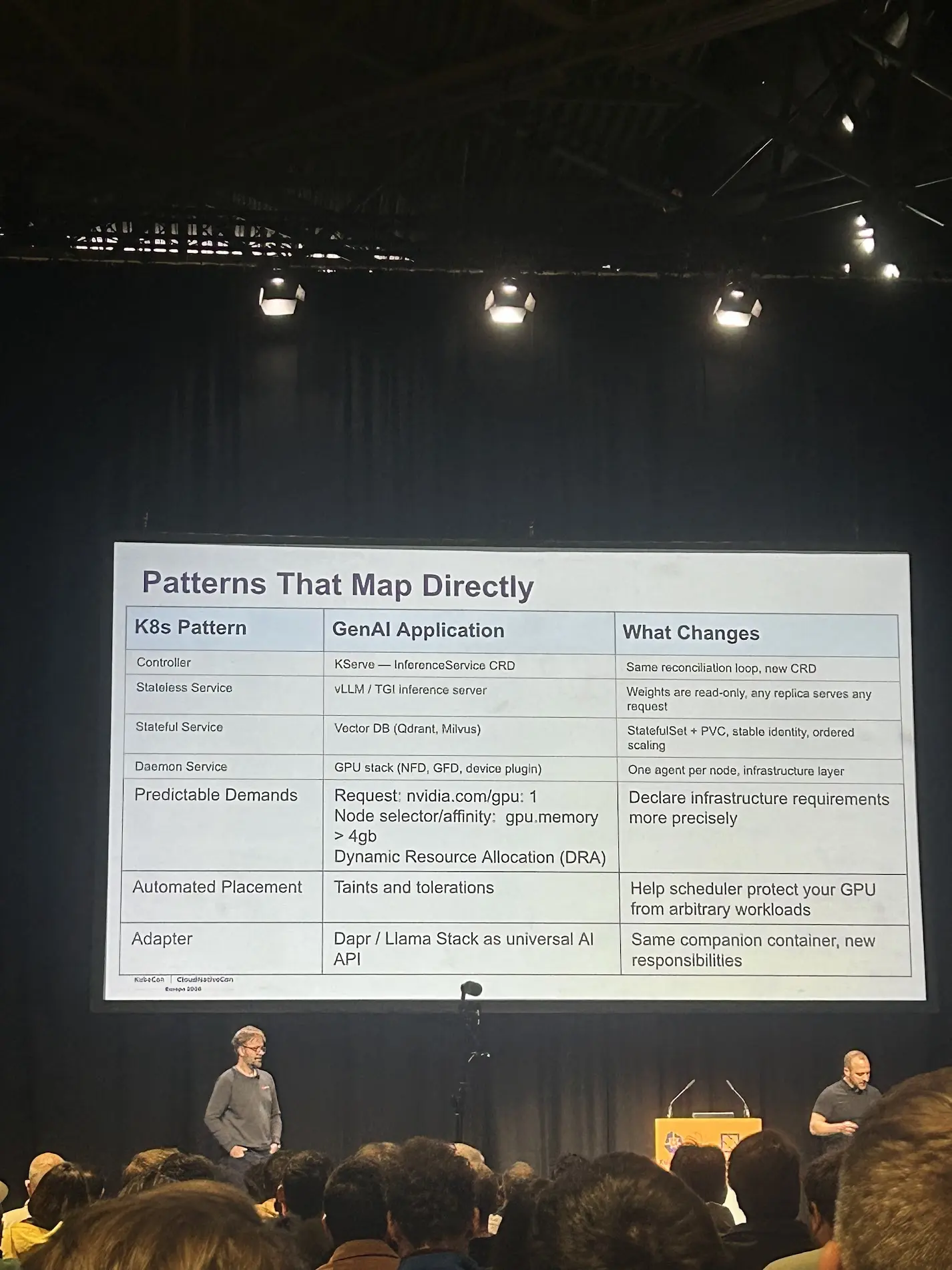
So basically when deploying AI, we can use taints and tolerations on GPU nodes to make sure random workloads don’t land there and consume GPU capacity. For the models, we can use InitContainers to download or prepare the model before the main inference container starts, ideally into a shared volume or cache so we don’t have to download it again every time.
For the inference server itself, we can treat it like a stateless service, using something like vLLM or TGI, because the model weights are read-only and any replica can serve any request.
For things like vector databases, such as Qdrant or Milvus, we should treat them like stateful services, using StatefulSets and PVCs so they keep a stable identity and persistent storage…
Afterwards, I went to the projects exhibition area, where I started going through the projects one by one.
Day 3 and Day 4
Just like Day 2, I spent both Day 3 and Day 4 going from talk to talk and from exhibition to exhibition.
I also attended a Kubernetes Red Team vs Blue Team workshop, where the goal was to hack and secure Kubernetes clusters and learn about the different exploits and vulnerabilities. A CTF was held there later too.
And later that night, I went to an afterparty organized by LangChain along with Qodo.
We conclude here for now
I’ll conclude here to not make it super long. But KubeCon is definitely an interesting conference to attend - you get to hear about different perspectives and experiences. Whatever path you’ve taken that got you to hear about K8s and use it, know that there are plenty of people with different experience levels who went through the same thing and solved the problems or have answers to whatever question you might have. So use the event to connect with people as much as you can.
Thanks if you’ve made it all the way here. I tried to share a few things but I definitely jumped over and skipped a lot of stuff. So if you want to hear more or have any specific questions, feel free to reach out! :D
~~